On-device text-to-speech removes dependencies on external networks, enabling secure, low-latency voice for finance, transport, and healthcare, with data sovereignty and offline continuity built-in.
Why Local Voice Processing is Critical for Finance, Transport, and Healthcare
Local speech synthesis is critical to ensuring data sovereignty, operational continuity, and system responsiveness.
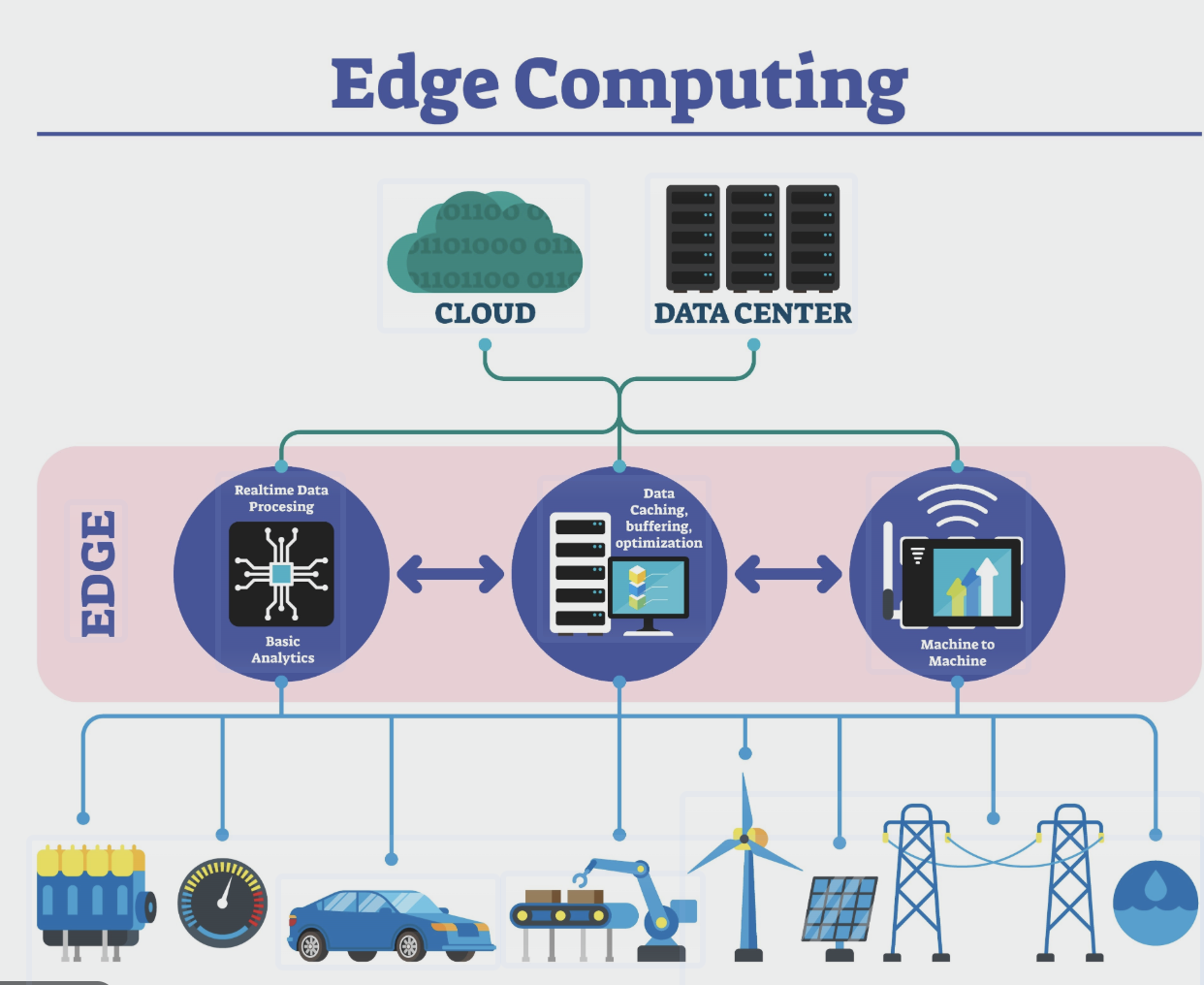
This shift is being driven by the global push toward data privacy and decentralized processing, which has made edge computing a key component of modern infrastructures. For voice-enabled applications, this is accelerating the transition toward flexible architectures that combine cloud, on-premise, and on-device processing.
In sectors where data sensitivity and uptime are critical, such as banking and finance, transportation, and healthcare, on-device text to speech (TTS) is no longer optional. It is a core requirement of system design, enabling secure, low-latency, and reliable voice delivery.
How does on-device TTS improve operational efficiency?
On-device TTS improves operational efficiency by removing the dependency on external network connectivity, allowing speech synthesis to occur locally with near zero latency. This architecture ensures that critical announcements and data narrations remain functional in offline environments, reduces the infrastructure costs associated with cloud data transfer, and automates real time communication while maintaining strict compliance with data protection regulations such as GDPR and HIPAA.
This shift is particularly relevant across regions with varying connectivity levels and strict regulatory frameworks.
Deployment Models: Cloud-Dependent vs. On-Device TTS
Speech synthesis can be deployed across different environments, including cloud-based servers, on-premise data centers, and on-device (embedded) systems. While cloud-based processing offers high scalability for non-sensitive tasks, it remains subject to network fluctuations and external dependencies.
On-device TTS, integrated via a lightweight SDK, processes data directly within the local application environment, offering three distinct technical advantages:
1. Low-latency Responsiveness
Latency significantly impacts user experience in mission-critical environments. Delays of even a fraction of a second can affect the usability of time-sensitive systems Finance: Trading platforms narrating price fluctuations the moment they occur. Transport: Public transport systems providing real time arrival updates without processing delays.
Because the TTS engine resides on the device, the need for data to travel to a remote server is eliminated ensuring consistent and predictable response times.
2. Data Privacy and Security
For industries handling sensitive personal data, transmitting data to external cloud systems introduces security and compliance risks.
On-device TTS ensures that processing remains local. Sensitive information never leaves the secure environment of the device or the controlled on-premise infrastructure.
This approach supports compliance with frameworks such as GDPR, HIPAA, and other regional data protection requirements
3. Operational Continuity and Offline Functionality
Reliance on network connectivity can impact the availability of cloud-dependent systems. On-device TTS operates independently, which is essential for: Remote healthcare: Clinical settings with inconsistent internet access. Transport systems: Subways, tunnels or remote locations without cellular coverage. Distributed industrial operations:* where connectivity may be limited or inconsistent.
Sector Applications for On-Device TTS
The benefits of on-device TTS translate directly into improved user experience and operational efficiency across a wide range of industries.
Financial Services (BFSI)
In financial services, where data sovereignty is a priority, on-device TTS enables secure, real-time voice output across banking platforms, trading environments, and customer-facing systems.
Secure Voice Banking: Customers check balances, confirm transactions, or receive fraud alerts via secure applications, IVR systems, or digital platforms, without transmitting financial data to external infrastructure.
Market Narrations: Localized narration of stock price changes, market data, and portfolio updates provides traders with a low-latency audio feed for immediate decision-making.
Inclusive Digital Banking: Provides essential accessibility for users with visual impairments or neurodiversity while ensuring that sensitive account details are processed locally and securely.
Transportation and Logistics
The transportation sector is a strong candidate for edge-based voice solutions, where real-time information is essential for safety, operations, and passenger experience.
Embedded Systems: Navigation instructions, traffic alerts, and road hazard warnings are delivered instantly, even in tunnels or areas with poor connectivity. This improves safety and provides a reliable user experience.
Passenger Information Systems (PIS): Powering smart displays at stations, airports, and onboard vehicles, delivering real-time, multilingual announcements that are automatically generated and read aloud.
Warehouse and Logistics Operations: On-device TTS provides spoken, hands-free instructions to workers, guiding them through picking and packing tasks with locally generated voice output. This increases efficiency and accuracy across logistics and supply chain operations.
Healthcare and Public Services
In healthcare, patient privacy and data protection are critical, while in public services, accessibility and inclusion are key priorities.
Clinical Documentation: Medical professionals can review patient notes locally, ensuring that sensitive data remains within a controlled environment.
Accessible Kiosks: On-device TTS provides vital resources in hospitals or government buildings, making services and directions accessible through in multiple languages without cloud dependency.
Public Service Websites and Applications: Integrating on-device TTS into digital services, enables citizens to access information through voice. This supports accessibility for users with visual impairments or low literacy while maintaining high system availability during peak traffic or network instability.
Infrastructure: The TTS SDK
A professional TTS SDK is the component that enables on-device voice applications. Unlike cloud-based APIs, an SDK runs within the application´s own code, giving developers full control over the audio pipeline. A high-quality TTS SDK for edge computing is characterized by:
Lightweight Footprint: Optimized memory usage for mobile devices and embedded systems.
Cross-Platform Compatibility: Support for major operating systems, including iOS, Android, embedded Linux, and other environments.
High Performance: Optimized for low latency and predictable system behavior.
ReadSpeaker SDK solutions are built on these principles, enabling organizations to integrate secure, reliable, and scalable voice capabilities into their systems and applications.
Conclusion: Strategic System Design
The adoption of on-device TTS reflects a shift toward more resilient and secure system architectures. By enabling voice processing within the application environment, organizations can improve performance, strengthen data governance, and reduce dependency on external network infrastructure.
Whether using a localized or a hybrid approach, integrating an on-device TTS SDK provides a stable foundation for the next generation of voice enabled enterprise services.
A custom voice is more than a synthetic voice model. For an enterprise, it can become a long-term communication asset used across products, customer services, applications and operational systems. This guide explains how enterprise custom voices are planned, created, governed and deployed.
Why a standardized TTS strategy is the key to reducing costs and improving the user experience across a complex transportation network.
·5 min read
We build ethical technology that respects every user. Your privacy is no exception. Before you choose, we measure how the site is used without any cookie and without identifying you. Everything else waits for your consent.