Education
Building Trusted Learning Ecosystems in Moodle That Are Ready for What's Next
How Moodle Marketplace and Certified Integrations make it easier for institutions to find trusted solutions and build more inclusive learning experiences.
August 21, 2025
How can schools support multilingual learners? Louise Dawson shares UDL strategies, assistive tech, and text-to-speech to build inclusive classrooms.
 Amy Foxwell4 min read
The modern classroom is more linguistically and culturally diverse than ever before, a trend especially visible in the Gulf region. This diversity enriches learning environments but also introduces unique challenges, particularly for multilingual learners (MLLs), also referred to as EAL/ELL students.
During a recent webinar, Louise Dawson (opens in a new tab), a UAE-based Inclusion Specialist with expertise in assistive technology, SEND, EAL support, and holistic school improvement, joined ReadSpeaker to explore a critical question:
Are we doing enough to support multilingual learners?
The discussion provided valuable insights into the realities faced by schools and offered practical solutions grounded in inclusive frameworks and assistive technologies.
Demographics in the Gulf illustrate the urgency of this issue. In the UAE, Emirati nationals account for just 13% of the population, while across the GCC, 52% of residents are non-nationals. Globally, 40% of students do not receive education in a language they fully understand.
In such contexts, language barriers become a primary obstacle to access and equity. When English is the dominant language of instruction, students whose first language is different often experience a disconnect that can impede both learning and well-being.
Language differences affect every aspect of the learning process:
These challenges highlight the need for systemic, long-term solutions rather than temporary interventions.
Clarity in terminology is essential. In the UAE:
Both groups require support, but their learning journeys differ, making differentiated strategies critical.
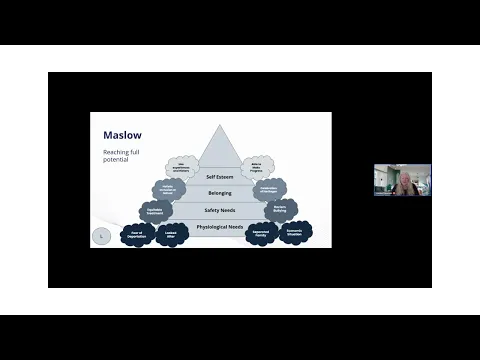
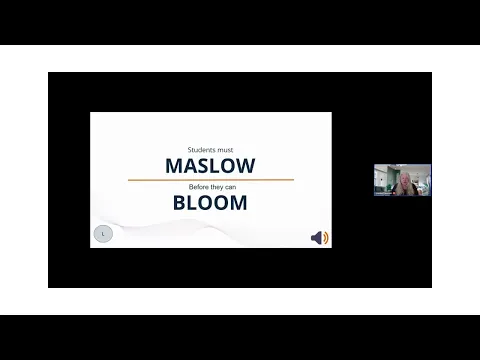
Academic success is closely tied to emotional and social well-being. Drawing from Maslow’s Hierarchy of Needs, schools must first ensure safety, belonging, and self-esteem before expecting cognitive growth.
This requires addressing not only language skills but also:
Holistic inclusion ensures that education meets the academic and emotional needs of students.
 (play video)
To move from equality to equity, and ultimately liberation, schools need systemic frameworks. Universal Design for Learning (UDL) provides three guiding principles:
This approach benefits multilingual learners and strengthens outcomes for all students.
 (play video)
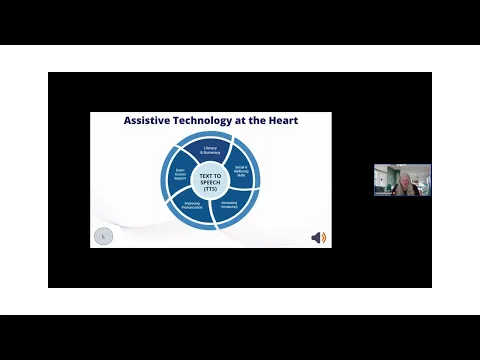
Assistive technology (AT) plays a pivotal role within UDL by helping language-diverse students:
Among assistive technologies, Text-to-Speech (TTS) is especially powerful for multilingual learners. By converting written text into spoken words, TTS supports comprehension and reduces barriers.
Research in Gulf universities shows:
TTS also supports learners with dyslexia, visual impairments, neurodiverse learners, and busy adult students, proving that accessible design benefits everyone.
 (play video)
Inclusive education is not about providing identical support to all learners: it’s about ensuring each student has what they need to succeed.
By embracing frameworks like UDL and leveraging assistive technologies such as Text-to-Speech, schools can create equitable, inclusive learning environments where every learner thrives.
Education
How Moodle Marketplace and Certified Integrations make it easier for institutions to find trusted solutions and build more inclusive learning experiences.
Education
See how ILIAS and ReadSpeaker's text-to-speech technology work together to create more flexible learning experiences, with insights from the University of Stuttgart.
Education
Over the past year, we’ve immersed ourselves in the digital assessment community, through conferences, webinars, research, podcasts, and conversations with assessment leaders. Along the way, several themes have consistently emerged. These are the ideas we believe are shaping the future of accessible digital assessment.